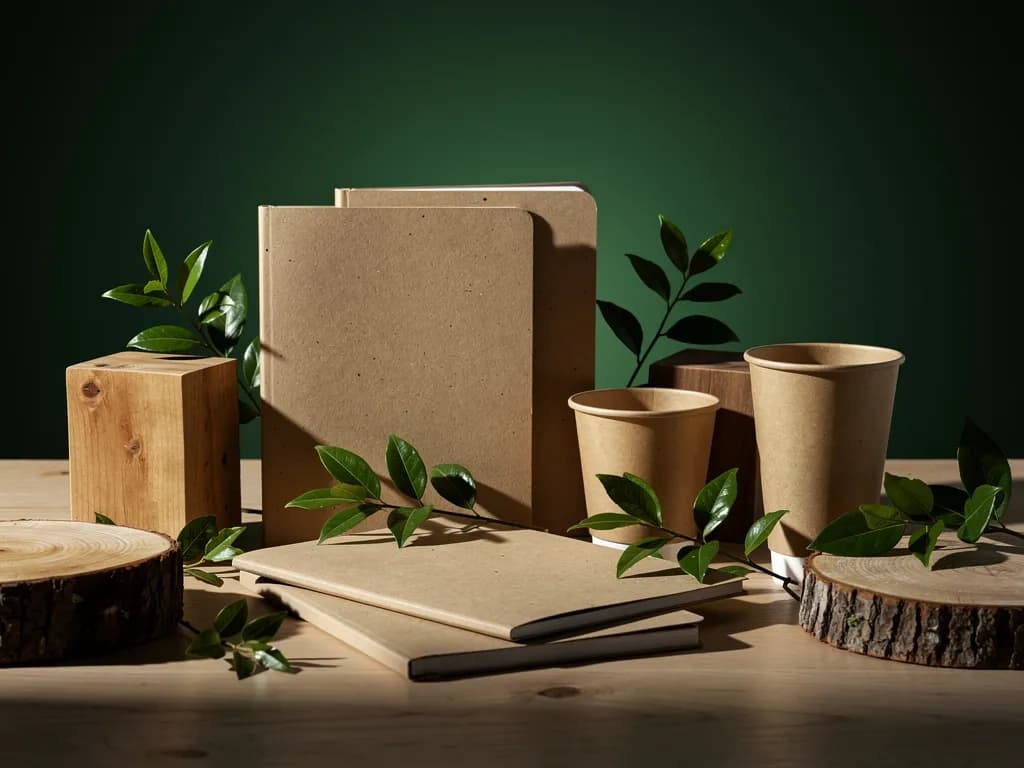
PE (polyethylene) coated cups shed plastic particles into hot drinks and are not recyclable. PLA coated cups are still plastic polymers and only biodegrade in industrial composters. Aqueous-coated cups contain no plastic film and are the only type certified re-pulpable by CPPRI.
Those three sentences summarize a choice that most food businesses never think carefully about — which coating is on the inside of the paper cups they serve to customers. Here is the full technical comparison.
PE Coating: The Industry Default
Polyethylene coating is the standard for over 95% of paper cups manufactured in India. A thin layer of PE plastic (15–20 microns) is heat-laminated to the inner surface of the paper cup, creating a waterproof barrier that prevents liquid from soaking through the paper.
The problem: When hot liquid (above 70°C) contacts the PE lining, thermal degradation causes the polymer to shed microscopic plastic fragments. Research by the National Institute of Standards and Technology (NIST, 2022) measured approximately 25,000 microplastic particles released per cup at standard chai/coffee temperatures. The Indian Institute of Technology, Kharagpur, confirmed similar findings with cups available in Indian markets.
Recyclability: PE-coated cups are not recyclable through standard paper recycling. The plastic film must be physically separated from the paper fibers — a process requiring specialized equipment that most Indian paper mills lack. In practice, PE cups end up in landfills. The informal recycling sector (kabadiwallas) rejects them because they contaminate paper bales.
Cost: PE-coated cups are the cheapest option available — which is why they dominate the market despite their health and environmental drawbacks.
PLA Coating: The Greenwashing Champion
PLA (polylactic acid) is marketed as "plant-based" because it is derived from corn or sugarcane starch. This origin story has made PLA the darling of green marketing — packaging exhibitions are full of suppliers pitching PLA cups as the eco-friendly alternative.
The molecular reality: PLA is a synthetic thermoplastic polyester. The European Chemicals Agency (ECHA) and the EU Single-Use Plastics Directive both classify PLA as plastic. The plant origin of the carbon atoms does not change the polymer chemistry. A PLA coating and a PE coating are both plastic films applied to paper — they differ in origin, not in structural classification.
Composting myth: PLA is technically compostable, but only under industrial conditions: sustained temperatures above 58°C, humidity above 90%, and active microbial cultures for 12–16 weeks. India has fewer than 20 industrial composting facilities capable of processing PLA. For a business in Aligarh, Lucknow, or Jaipur, the nearest PLA-capable composter could be over 1,000 km away. In reality, PLA cups discarded in Indian cities end up in the same landfills as PE cups — where they persist for decades.
Microplastic shedding: A 2023 study in Environmental Science & Technology found that PLA products shed microplastic particles under UV exposure and mechanical stress. The University of Gothenburg demonstrated similar ecotoxicity profiles between PLA and petroleum-based microplastics when ingested by organisms. Being "plant-based" provides no biological advantage once the polymer fragments.
Recyclability: PLA cups are not recyclable with paper waste. Like PE, PLA forms a separate film layer that contaminates paper recycling streams. Unlike PE, PLA also contaminates conventional plastic recycling because it has a different melting point. PLA is effectively unrecyclable in India's current waste infrastructure.
Aqueous Coating: The Only Plastic-Free Option
Aqueous coating is a water-based barrier technology that uses mineral compounds and modified starches. Unlike PE and PLA, which are applied as a separate polymer film laminated to the paper surface, aqueous coating bonds directly into the paper cellulose fibers at a molecular level.
Chemistry: The coating is a dispersion of kaolin clay, calcium carbonate, and modified starch in water. When applied to paper and dried, these minerals fill the gaps between cellulose fibers, creating a barrier against liquid and grease penetration. No polymer chains are formed. No plastic film exists. The barrier is mineral and starch — not synthetic polymer.
Microplastic shedding: Zero. Because no plastic polymer is present, there are no polymer chains to fragment. Pratva's aqueous-coated cups have been tested at temperatures up to 100°C with zero detectable microplastic or nanoparticle release. The barrier is chemically inert — it does not leach, degrade, or shed under normal use conditions.
Recyclability: Fully re-pulpable with standard paper waste. During the recycling process, the aqueous coating redisperses into water — exactly reversing the application process — and the paper fibers separate cleanly for recovery. CPPRI (Central Pulp and Paper Research Institute) has certified this re-pulpability through their standard testing protocol. Any paper mill in India can process aqueous-coated cups without special equipment.
Food safety: FDA 21 CFR compliant for direct food contact. FSSAI compliant for food use in India. Zero PFAS content (unlike some grease-barrier treatments used in food boxes). The absence of plastic polymers means there is no risk of chemical migration from the coating into food or beverages.
The Comparison Table
Microplastic shedding: PE: ~25,000 particles/cup. PLA: detectable under stress. Aqueous: zero.
Recyclable with paper waste: PE: no. PLA: no. Aqueous: yes (CPPRI-tested).
Industrial composting required: PE: not compostable. PLA: yes (facilities rare in India). Aqueous: not needed — recyclable as paper.
Contains plastic polymer: PE: yes. PLA: yes. Aqueous: no.
CPPRI re-pulpability certified: PE: fails. PLA: fails. Aqueous: passes.
Cost vs PE baseline: PE: baseline. PLA: 20–40% more. Aqueous: 8–15% more.
Why PLA Is the Most Dangerous Option
This may sound counterintuitive, but PLA is arguably worse than PE from a systemic perspective. PE cups are honestly bad — everyone knows they contain plastic. PLA cups are dishonestly bad — they carry "eco" labels that mislead buyers into thinking they have solved the problem.
A business that switches from PE to PLA has spent more money, achieved zero improvement in microplastic safety, gained zero improvement in practical recyclability, and now believes it has addressed the issue. That false sense of progress is more damaging than the original problem because it removes the motivation to find a genuinely plastic-free solution.
The Practical Decision
For any food business in India evaluating paper cup suppliers, the decision framework is straightforward:
Ask the supplier: "Is your cup CPPRI-tested re-pulpable?" If yes, ask for the certificate. If the certificate is genuine (verifiable with CPPRI Saharanpur), the cup uses a coating that contains no plastic film and can be recycled through India's existing paper waste infrastructure.
If the supplier says "compostable" or "plant-based" instead, they are selling PLA — which is still plastic, still sheds microparticles, and still cannot be recycled in India.
If the supplier offers no coating certification at all, assume PE. It is the default, and it is what 95% of Indian paper cup manufacturers use.
Using PE-lined cups in your business? Request a free Pratva sample pack — we send 3 cup sizes + kraft bag samples with the coating spec and test reports. No commitment.